Mexican Pottery Making part 3: Barro Canelo

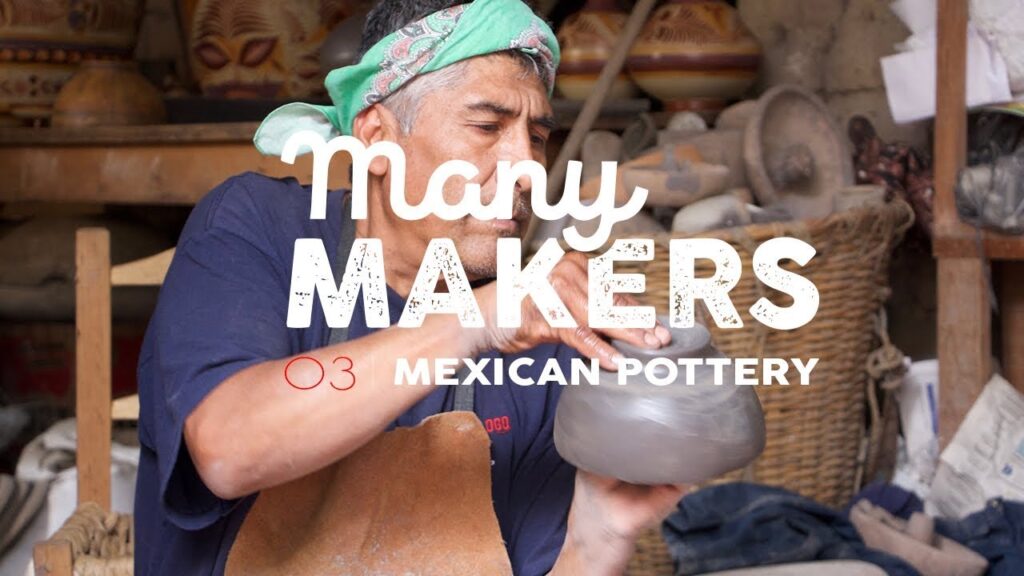
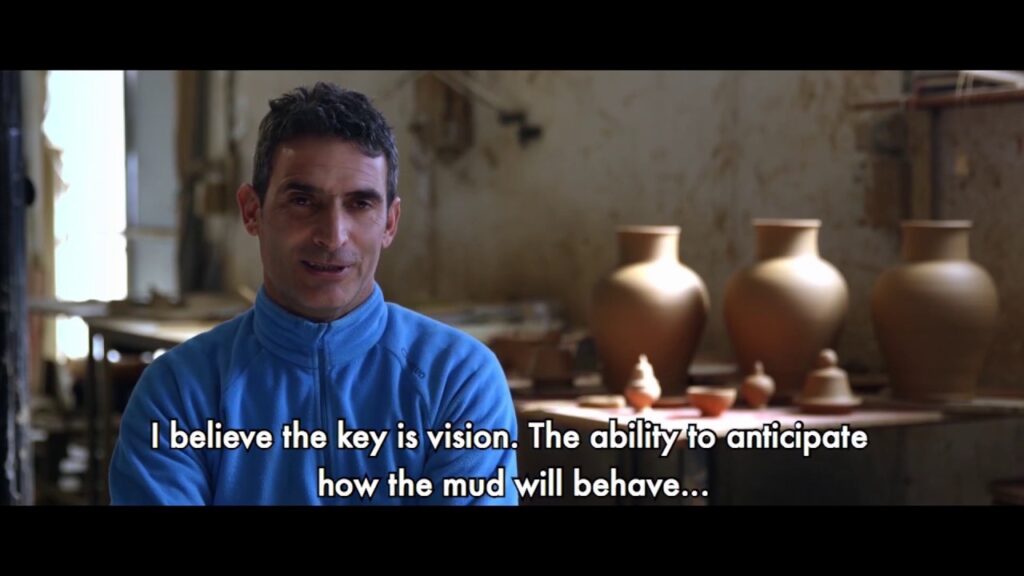
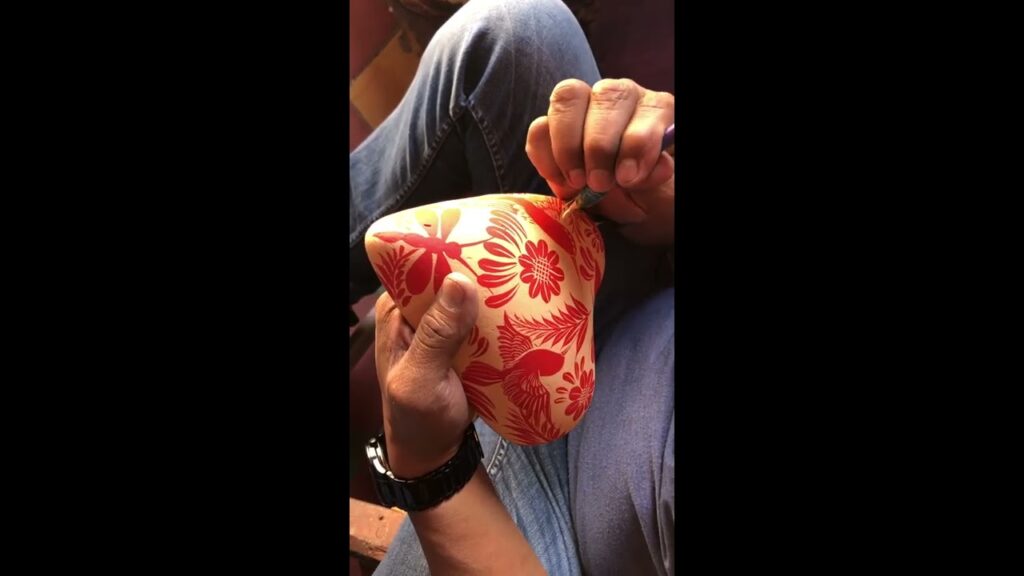
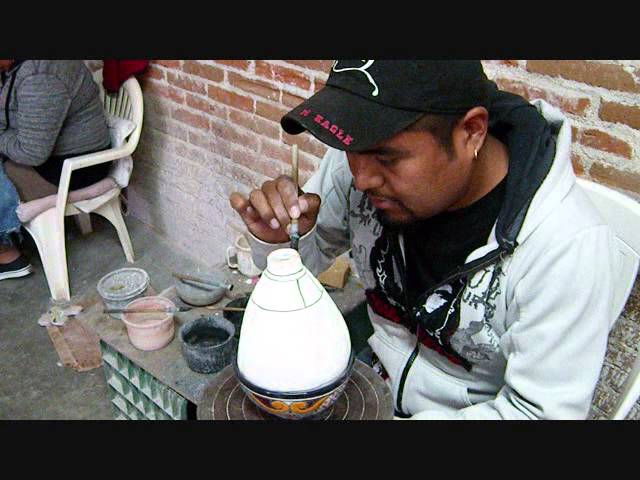
This is a short craftsmanship documentary by Many Makers about the Master Artisan Isabel Pajarito and ‘barro canelo’, which translates to cinnamon pottery. This technique is said to date back to pre-Hispanic times. What is particularly fascinating about this technique is that the pieces change their colour entirely during firing: when the pieces are placed into the kiln they are various blue-grey and yellow shades, and when they come out they are white, red and orange!
—————————————————————————————————————-
Esto es un cortometraje de Many Makers sobre el Maestro Artesano Isabel Pajarito y 'barro canelo'. Se dice que esta técnica data de tiempos prehispánicos. Lo que es particularmente fascinante de esta técnica es que las piezas cambian su color por completo durante la cocción: cuando las piezas se colocan en el horno, son de varios tonos azul grisáceo y amarillo ¡y cuando salen son blancas, rojas y anaranjadas!

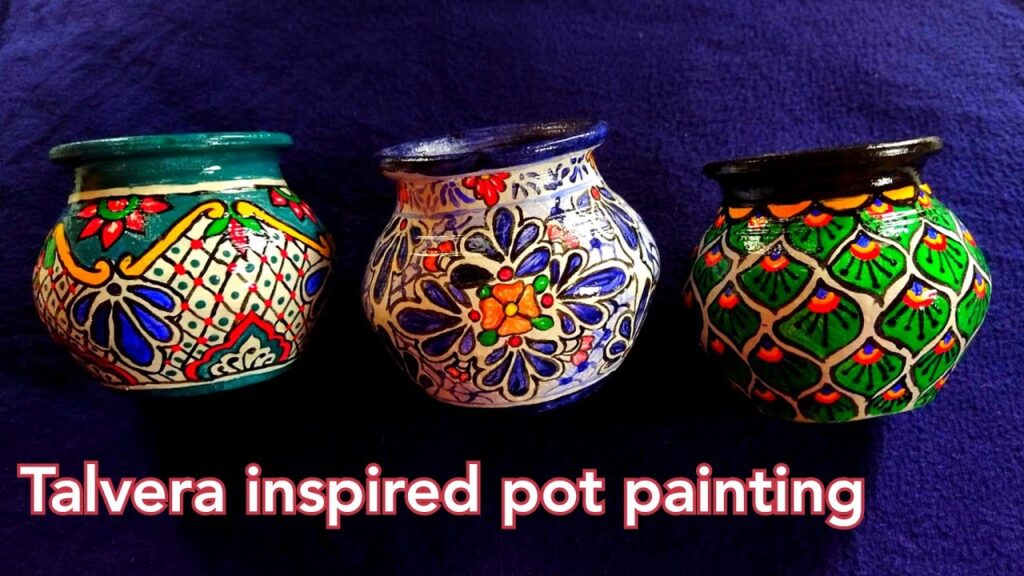
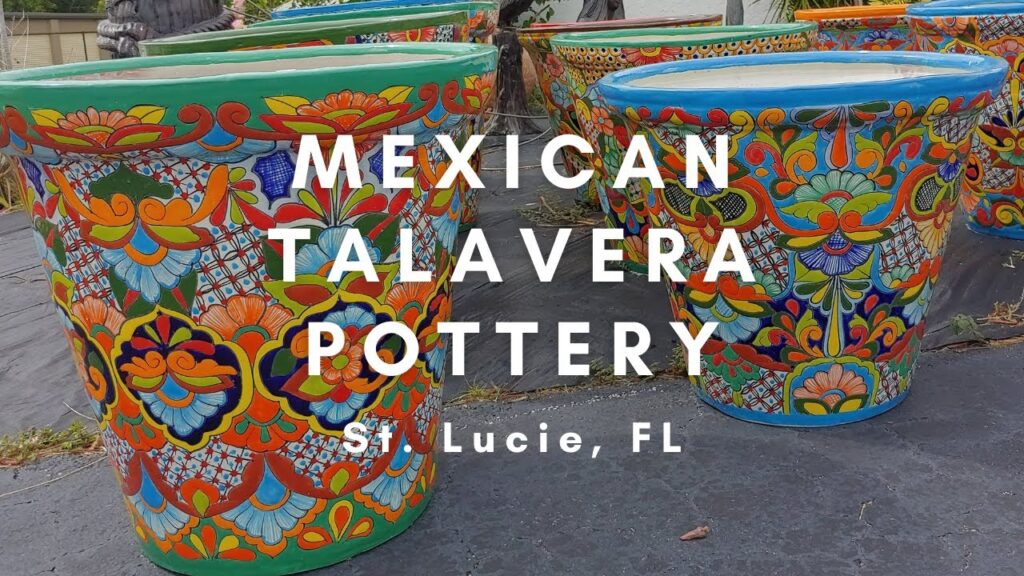
Artisanal talavera of Puebla and Tlaxcala (Mexico)

UNESCO: Representative List of the Intangible Cultural Heritage of Humanity – 2019
URL:
Description: The making processes associated with the artisanal talavera in Mexico and ceramics in Spain are identified with two communities in each country. Despite changes over time – including the use of electric potter’s wheels – the artisanal processes closely resemble those from the sixteenth century. Key skills include preparing the clay, making the earthenware using a potter’s wheel or cast, decorating, preparing enamels and pigments and managing the kiln. Related knowledge and skills are mostly borne by master earthenware artisans and ceramists, who transmit them to the next generations within their workshops or in the family setting.
Country(ies): Mexico; Spain
© Altamira Entertainment, 2018
Duration: 00:10:36 – Support: USB key (0146200007)

How is it made? The Making Of Oaxacan Black Pottery

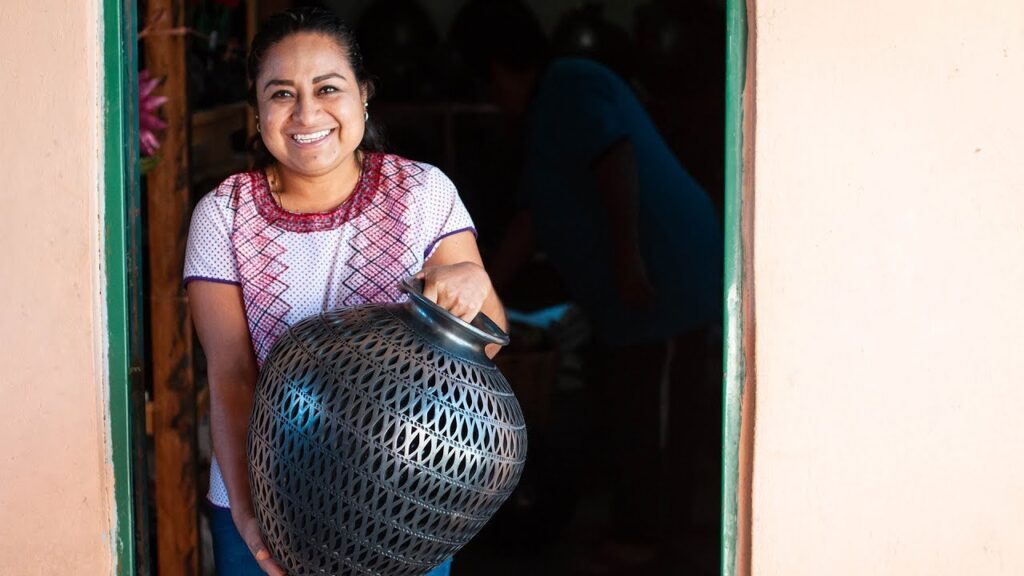
Anakarem learned the process and technique from her father, Don José, an artisan known for making large ceramic jars.

All her pottery is crafted by the family. Some dig the clay, others design and shape it, and someone else lights the wood-fired kiln.

The decorative perforations are called calado, and are done with a sharp blade to create floral, geometric and other motifs.

The black pottery is fired in a traditional kiln, built by the artisans themselves. The skull represents and celebrates death. These sculptures are used in the altars for the Day of the Dead on November 2.

You can see more of Anakarem's work here:

Red Pottery of San Marcos Tlapazola Tlacolula

The Zapotec women of the Mateo family produce hand crafted pottery that is fired on an open kiln. In the summer of 2017 Pima Community College, located in Tucson Arizona, conducted a Summer Abroad art class with Professor Laura Milkins. As students, we went on a tour of the Oaxacan countryside and watched a demonstration of their clay techniques. The ladies were kind enough to let us video this.

Audio and Video with a Fuji X100T