Japanese Pottery Master Kumagae Yasuo 陶磁器, Tōjiki, 焼きもの Yakimono,陶芸 Tōgei

Pottery and porcelain (陶磁器, tōjiki, also 焼きもの yakimono, or 陶芸 tōgei), is one of the oldest Japanese crafts and art forms, dating back to the Neolithic period. Kilns have produced earthenware, pottery, stoneware, glazed pottery, glazed stoneware, porcelain, and blue-and-white ware. Japan has an exceptionally long and successful history of ceramic production. Earthenwares were created as early as the Jōmon period (10,500–300 BC), giving Japan one of the oldest ceramic traditions in the world. Japan is further distinguished by the unusual esteem that ceramics holds within its artistic tradition, owing to the enduring popularity of the tea ceremony.

Japanese ceramic history records distinguished many potter names, and some were artist-potters, e.g. Hon'ami Kōetsu, Ogata Kenzan, and Aoki Mokubei. Japanese anagama kilns also have flourished through the ages, and their influence weighs with that of the potters. Another characteristically Japanese aspect of the art is the continuing popularity of unglazed high-fired stoneware even after porcelain became popular. Since the 4th century, Japanese ceramics have often been influenced by Chinese and Korean pottery. Japan transformed and translated the Chinese and Korean prototypes into a uniquely Japanese creation, and the result was distinctly Japanese in character. Since the mid-17th century when Japan started to industrialize, high-quality standard wares produced in factories became popular exports to Europe. In the 20th century, a modern ceramics industry (e.g., Noritake and Toto Ltd.) grew up.

Japanese pottery is distinguished by two polarised aesthetic traditions. On the one hand, there is a tradition of very simple and roughly finished pottery, mostly in earthenware and using a muted palette of earth colours. This relates to Zen Buddhism and many of the greatest masters were priests, especially in early periods. Many pieces are also related to the Japanese tea ceremony and embody the aesthetic principles of wabi-sabi ("austerity-rust/patina"). Most raku ware, where the final decoration is partly random, is in this tradition.The other tradition is of highly finished and brightly coloured factory wares, mostly in porcelain, with complex and balanced decoration, which develops Chinese porcelain styles in a distinct way. A third tradition, of simple but perfectly formed and glazed stonewares, also relates more closely to both Chinese and Korean traditions. In the 16th century, a number of styles of traditional utilitarian rustic wares then in production became admired for their simplicity, and their forms have often been kept in production to the present day for a collectors market.

Latest Uploads:
🌍Check my website / blog:
📸Add me on Instagram:
🐦Add me on Twitter:
📕Add me on Facebook:
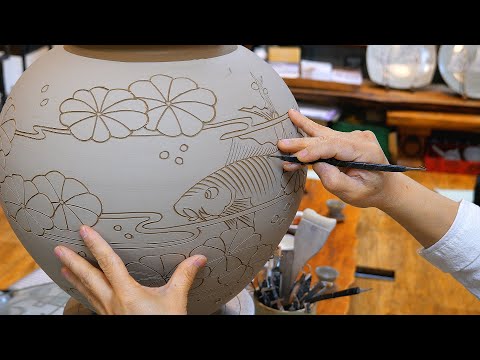

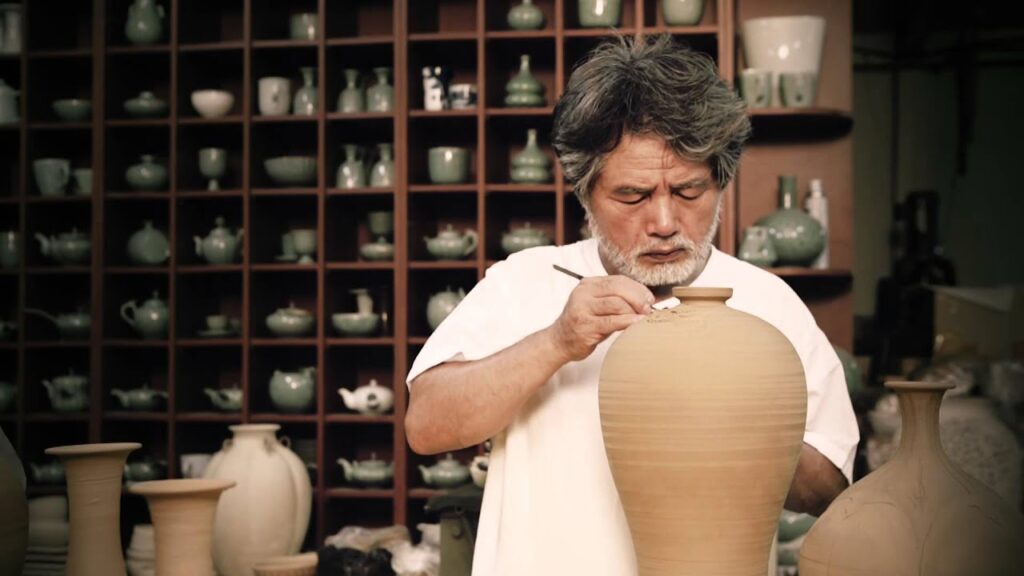
amazing! The process of making Korean traditional pottery. Master of Korean pottery.

amazing! The process of making Korean traditional pottery. Master of Korean pottery.

📢 information in the video
24, Seobu-ro 476beon-gil, Jinrye-myeon, Gimhae-si, Gyeongsangnam-do 'Woorim Ceramics'
website :
instagram :
e-mail : ejmmaster@gmail.com

🎬 Contact Us
▶processk22@gmail.com
– We take pictures of process that are not commonly seen around us or all process of special value for free.

🎥 Copyright(C) 2022. Process K. all rights reserved.

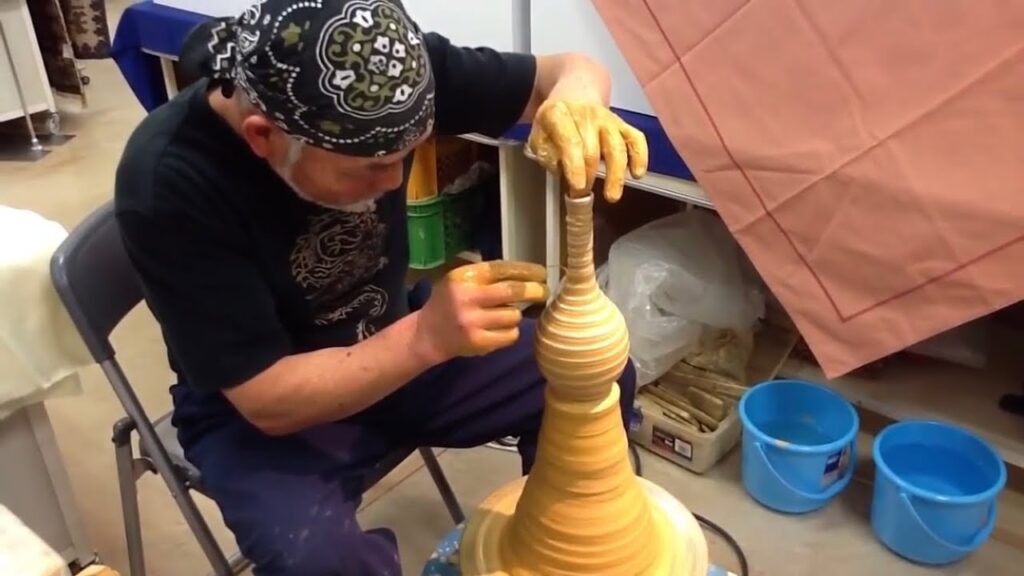
Icheon Master Hand

The exhibit "Icheon: Reviving the Korean Ceramic Tradition" was on display at the American Museum of Ceramic Art, AMOCA from October 12th- December 29th, 2013. www.amoca.org
For more images of the show –

If you would like to learn more about the five Master Hands and the fascinating history of dojagi–Korean ceramics–stay tuned for the release of A Thousand Year Journey, the tale of an art that was lost and the men who revived it.
Teaser Video –

Twitter.com/1000YearJourney

Music Credit: "Piano"

The American Museum of Ceramic Art is honored to present ICHEON: Reviving the Korean Ceramics tradition, an unprecedented exhibition organized by Icheon, South Korea. Icheon has a history of ceramic culture that began over 5000 years ago and has a reputation for its internationally renowned ceramics cultural events. Now Icheon has reached out to an American institution for the very first time. As the premiere exhibition of its kind in the United States, ICHEON will present over 230 objects never before seen on American soil that exemplify the revival of the ceramics tradition in Korea from antique techniques to contemporary innovations.

About AMOCA
Founded in 2001 and opened in September, 2004, AMOCA is one of the few museums in the United States devoted exclusively to ceramic art and historic innovations in ceramic technology. It is located in an area abounding with ceramic history and internationally recognized clay artists from the Arts and Crafts Movement, the 60's Clay Revolution and the current Studio Pottery Era. Geographically, the building is located in an urban downtown district where art is an important element of the continuing and successful community revitalization program. The home community consists of a rich ethnic mix and a large academic constituency with approximately fifteen institutions of higher learning within an eight-mile radius.
You can visit for more information.

Robert Turner in Phoenix AZ Part 1 of 2

paul soldner, soldner, volkous, ceramics, pottery, pot, American ceramics, United States, kiln, kiln builiding, glaze, glaze chemistry, American pottery, potter, glaze, high fire, mid fire, low fire, old fire, VHS, redneckpaycheck, American pottery, bisque, howto, DIY, instructional, lecture, workshop, pottery workshop, pottery lecture, famous artist, art, artist, southwest, Arizona, ceramics workshop, ceramics lecture, clay, porcelain, fire, phoenix, Arizona, southwest

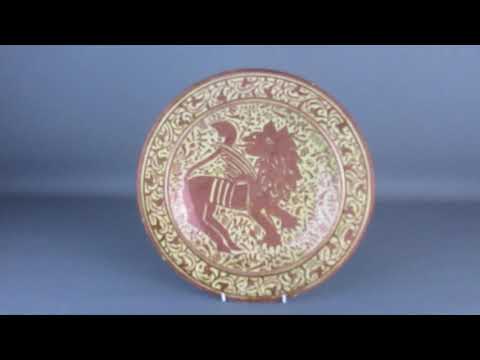
Hispano-Moresque Charger Copper Lustre Antique Mid 19th Century

A stunning large Islamic influenced Hispano – Moresque deep charger. These wares were first produced by the Moorish settlers in southern Spain especially around Valencia in the 12th century. Earthenware and typically having a deep cream ground and tin glazed copper lustre decoration. This piece has a central mythical creature, a Lamassu, prevalent in many Eastern cultures. It is surrounded by Islamic influenced decorations such as the palm leaf and scrolling foliate forms. This piece probably dates to the mid 19th century and was made with an integral hanging lug to the reverse so it could be displayed on a wall. Presented in very good antique condition with minor age related wear, some nibbles to the rim of the charger. Please refer to photos.

Dimensions; Diameter 35 cm or 13.7 inches. Weight 1.6 kg or 1028 pennyweight.

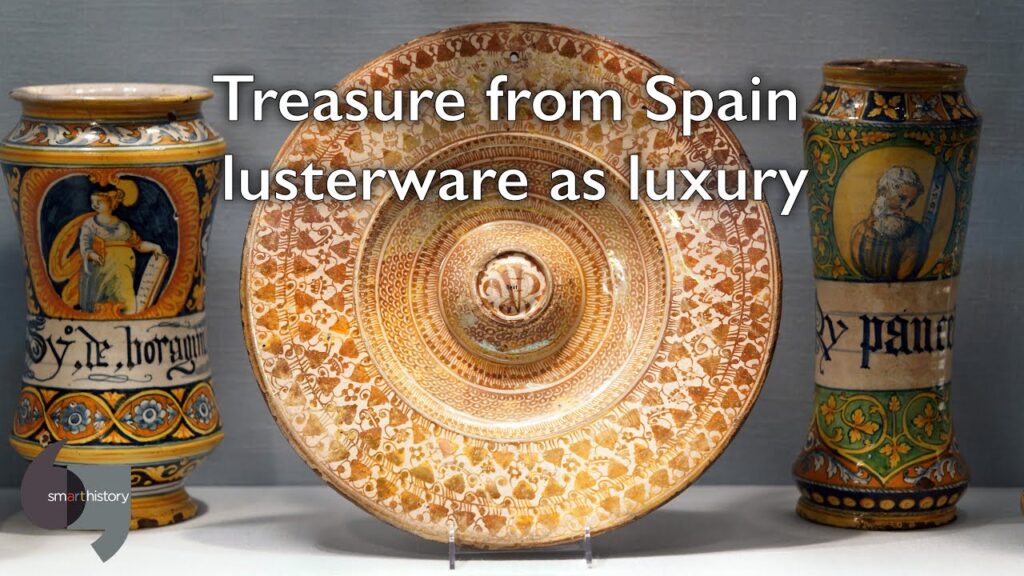
Hispano-Moresque ware

If you find our videos helpful you can support us by buying something from amazon.

Hispano-Moresque ware

Hispano-Moresque ware is a style of initially Islamic pottery created in Al Andalus or Muslim Spain, which continued to be produced under Christian rule in styles blending Islamic and European elements.

=======Image-Copyright-Info========
License: Creative Commons Attribution-Share Alike 3.0 (CC-BY-SA-3.0)
LicenseLink:
Author-Info: Marshall Colman Marshall46

Image Source:
=======Image-Copyright-Info========

-Video is targeted to blind users

Attribution:
Article text available under CC-BY-SA
image source in video

Zhang Daqian: The “Picasso From The East”| Century Masters | Perspective

Subscribe and click the bell icon to get more arts content every week:
youtube.com/c/PerspectiveArts

In China, the 20th Century was marked by dramatic social and political changes. It saw the end of the Qing Dynasty, the emergence of regional warlord governments, a Japanese military occupation, the Chinese Civil War and the founding of the People’s Republic of China. It was equally eventful in the fields of music, painting, drama and literature. Behind this transformation was a group of remarkable individuals, men who persevered despite national and personal tragedies. A new ten-part documentary series explores their contributions and legacies.

Perspective is YouTube's home for the arts. Come here to get your fill of great music, theatre, art and much, much more!

From "Century Masters"

Content licensed from Espresso to Little Dot Studios.

Any queries, please contact us at:
perspective@littledotstudios.com

#China #ChineseArt #ArtDocumentary