
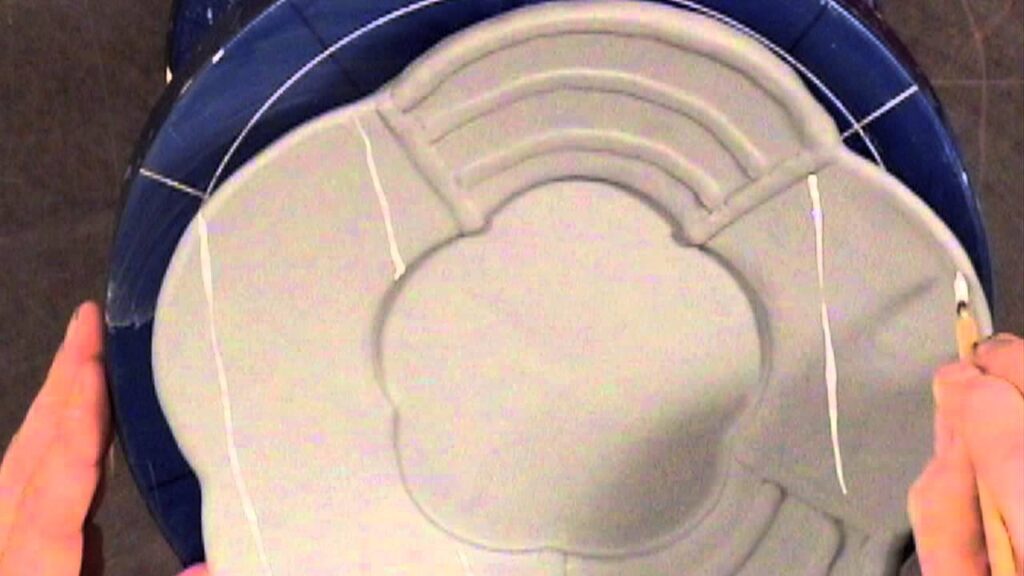
Pottery Video: Defining Space with Slip Trailing, Sgraffito, and Underglaze | BEN CARTER
This video is excerpted from Design for the Soft Surface which is available in the Ceramic Arts Network Shop:
This video is excerpted from Design for the Soft Surface which is available in the Ceramic Arts Network Shop:
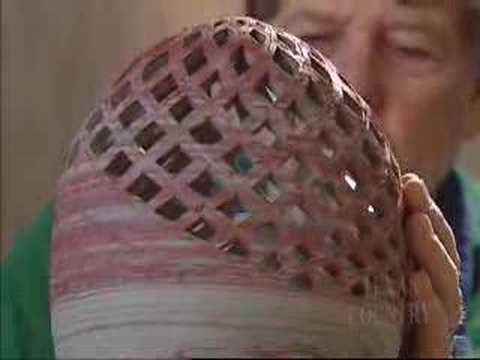
See what happens when a potter throws new light into an ancient art form. Bill and Maggie Finley of Finley Pottery make luminaries – pots full of holes to display light patterns.
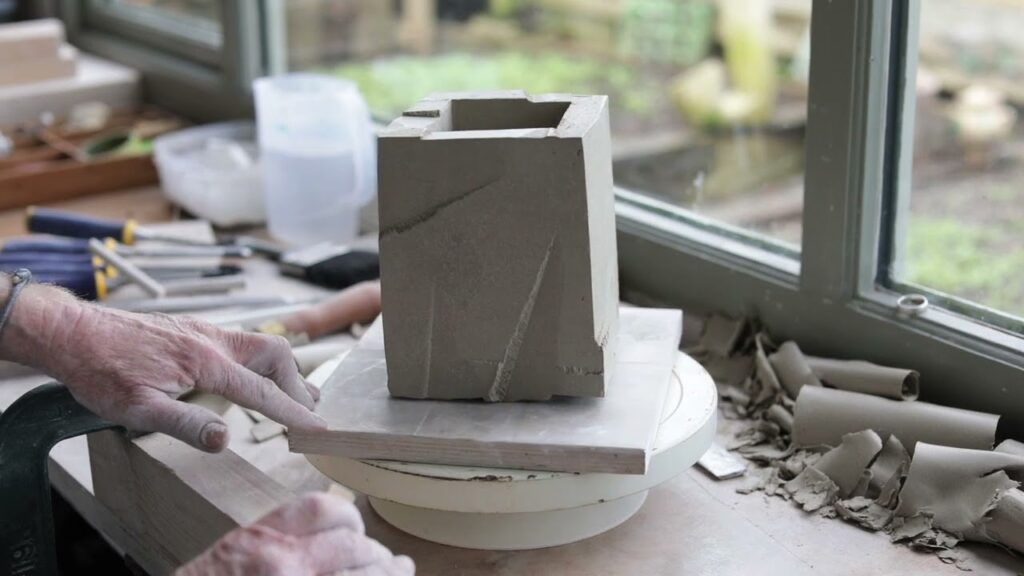
In this video David Binns takes us through the techniques and processes he uses to make and glaze one of his distinctive carved vessel forms.
Ceramic Review has been the international magazine for ceramics, ceramic art and pottery since 1970. Subscribe today and keep updated with the best in ceramics.
Print + Digital One Year for only £48!
Digital Only for £20.99!
To subscribe, head to
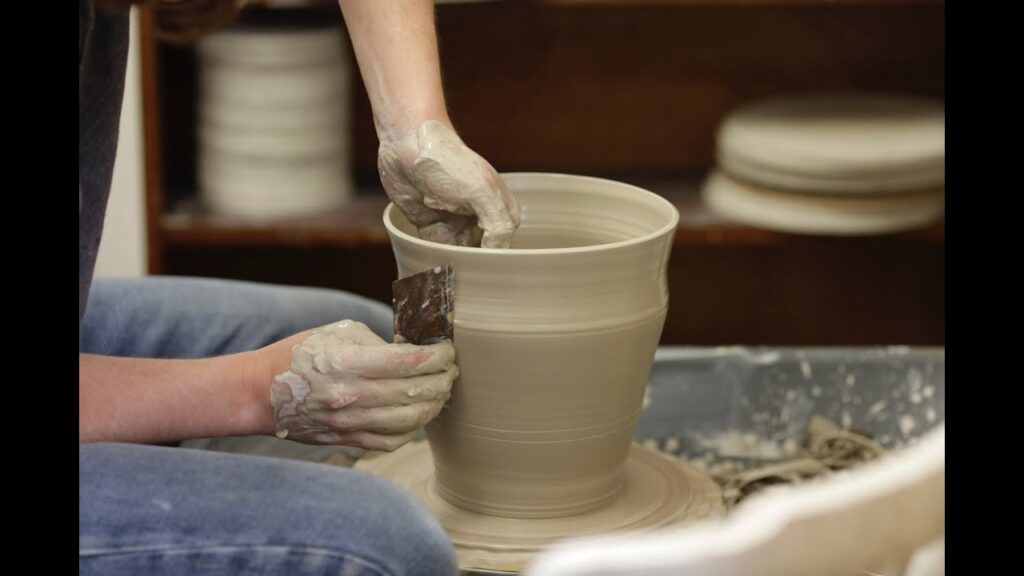
'It was at the wheel where it all came together for me. Tableware became an obsession, I loved the functionality of it, that it would be used and loved.'
In this video, Stuart Carey takes us step-by-step through the processes he uses to throw a thin-walled bowl, which he spray-glazes once it is bisque-fired.
Discover how Stuart makes his work in the full step-by-step masterclass inside CR 299 (September/October 2019). You can order current and back issues of the magazine from ceramicreview.com.
Film by Layton Thompson for Ceramic Review
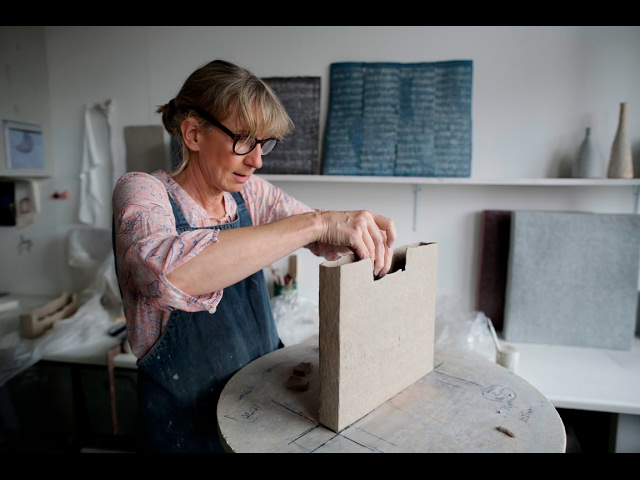
Ceramicist Sarah Scampton shares the steps she follows to create her finely marked, multiple-fired sculptural forms. Discover more inside Ceramic Review issue 284, which features the full step-by-step Masterclass. You can order current and back issues of the magazine from ceramicreview.com.
Film by Layton Thompson for Ceramic Review.
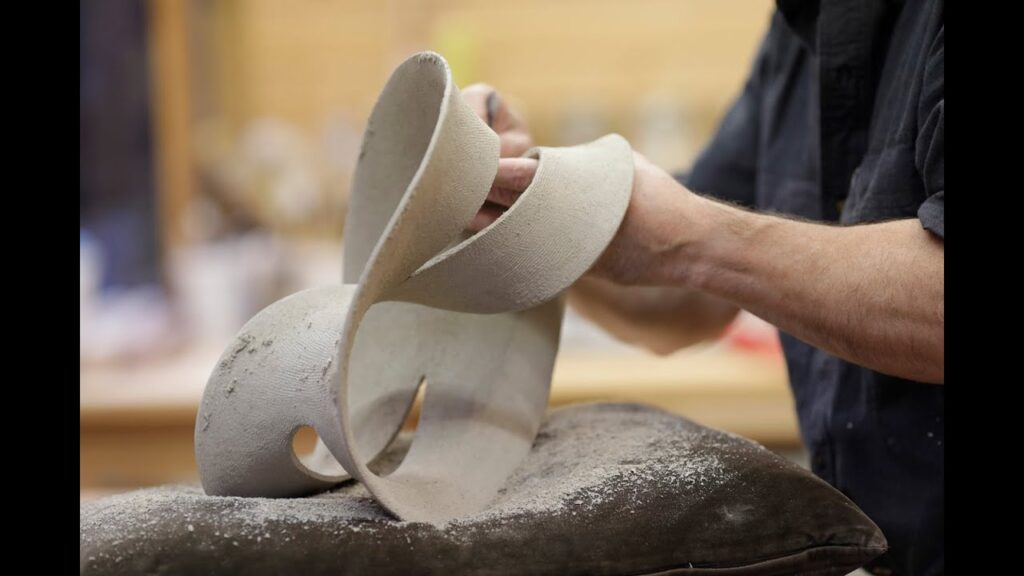
'With a background in graphics and teaching, working with ceramics might have been seen as an afterthought, but in fact it has become what I think of as my first ‘proper’ career.'
In this video, Adrain Bates takes us step-by-step through the processes he uses to create one of his organic Möbius Deconstructed forms
Discover how Adrian makes his work in the full step-by-step masterclass inside CR 301 (January/February 2020). You can order current and back issues of the magazine from ceramicreview.com.
Film by Layton Thompson for Ceramic Review
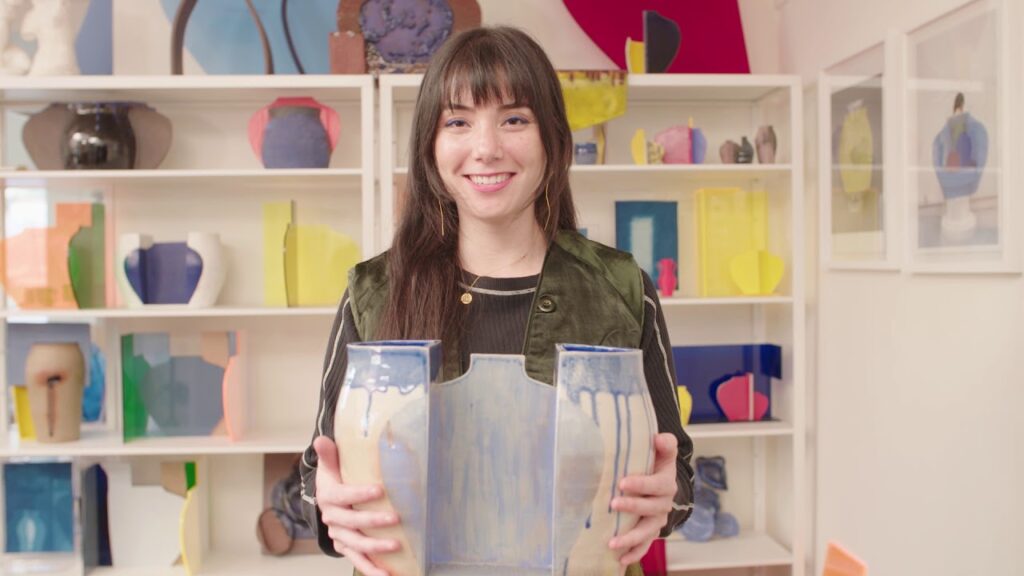
Los Angeles-based mixed-media ceramic artist Jenny Hata Blumenfield helps us reconsider the place of ceramics and pottery in contemporary art. ‘I see clay as having the widest range of expression,’ she explains. ‘By working with it the way that I do, I hope that steadily people will start to receive this idea of ceramics or clay as something beyond just functional.’
Blumenfield incorporates Lucite, an acrylic resin, into some of her works. In this short film, she describes transforming a two-dimensional drawing into a three-dimensional sculpture, which truly comes into its own when taken outside.
One of the most striking aspects of her process is her embrace of division, dissection and separation.
‘Being half-Japanese and half-American, I always felt stuck between two cultural identities,’ she explains. ‘I’m these two halves that really can’t seem to connect — I just exist in the in-between.’
But there is a second duality at play here, too. ‘I just would love to cut everything in half or into quarters just so that I can continue to break down this idea that ceramics can only be functional and can only be used in a day-to-day setting.’
‘That allows me to really incorporate other materials — Lucite, wood, paper, photographs — because it takes away the formalism of the vessel itself, and allows me to get experimental.’
Find out more:
—
Subscribe to Christie's YouTube:
Sign up to Christie's Weekly:
Follow Christie's on:
Facebook:
Twitter:
Instagram:
Pinterest:
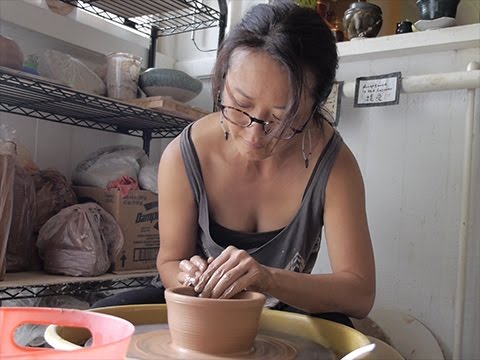
Accompany Hawaii Island potter Suzanne Wang, as she heads to a small Japanese village for a once-in-a-lifetime apprenticeship with Ken Matsuzaki, one of Japan’s top potters.
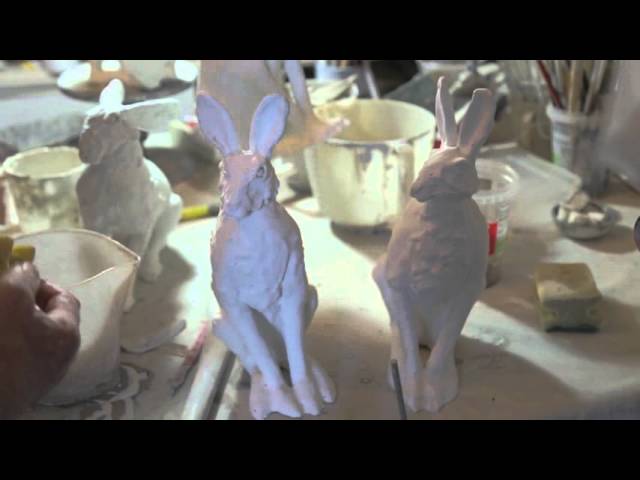
Richard Ballantyne and Carol Read are a pair of ceramic artists who make countless beautiful designs, including these stunning Hare sculptures.
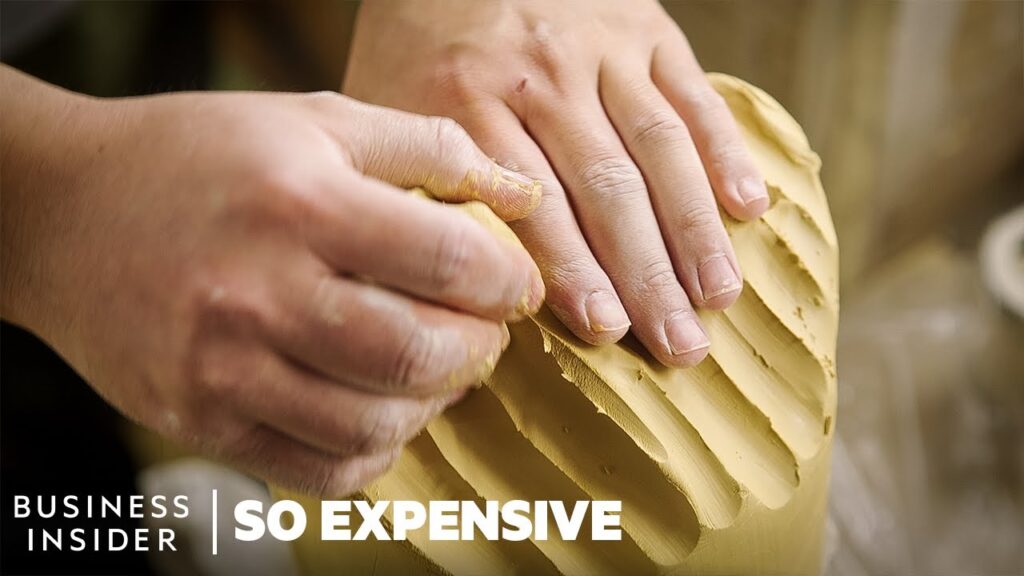
Handmade ceramics aren't cheap, but porcelain is often even more expensive. Compared to other ceramics, porcelain is non-porous, white, and translucent. The secret to these differences is in the clay. But even for experienced potters, porcelain can be challenging to work with. So how is porcelain made and why is it so expensive?
MORE SO EXPENSIVE VIDEOS:
Why Moroccan Zellige Tiles Are So Expensive | So Expensive
Why Japanese Denim Is So Expensive | So Expensive
Why French Leavers Lace Is So Expensive | So Expensive
——————————————————
#Porcelain #SoExpensive #BusinessInsider
Business Insider tells you all you need to know about business, finance, tech, retail, and more.
Visit us at:
Subscribe:
BI on Facebook:
BI on Instagram:
BI on Twitter:
BI on Snapchat:
Boot Camp on Snapchat:
Why Porcelain Is So Expensive | So Expensive | Business Insider